
Miami whole-home remodel cost: actionable forecast and control guide

Miami whole-home remodel cost is a common concern for homeowners and investors. This actionable guide teaches you how to forecast and control expenses for a full home renovation in Miami, Florida. We cover scope definition, contingency planning, and strict timeline management so you can deliver the project on budget and on schedule.
Understanding project scope in a Miami remodel
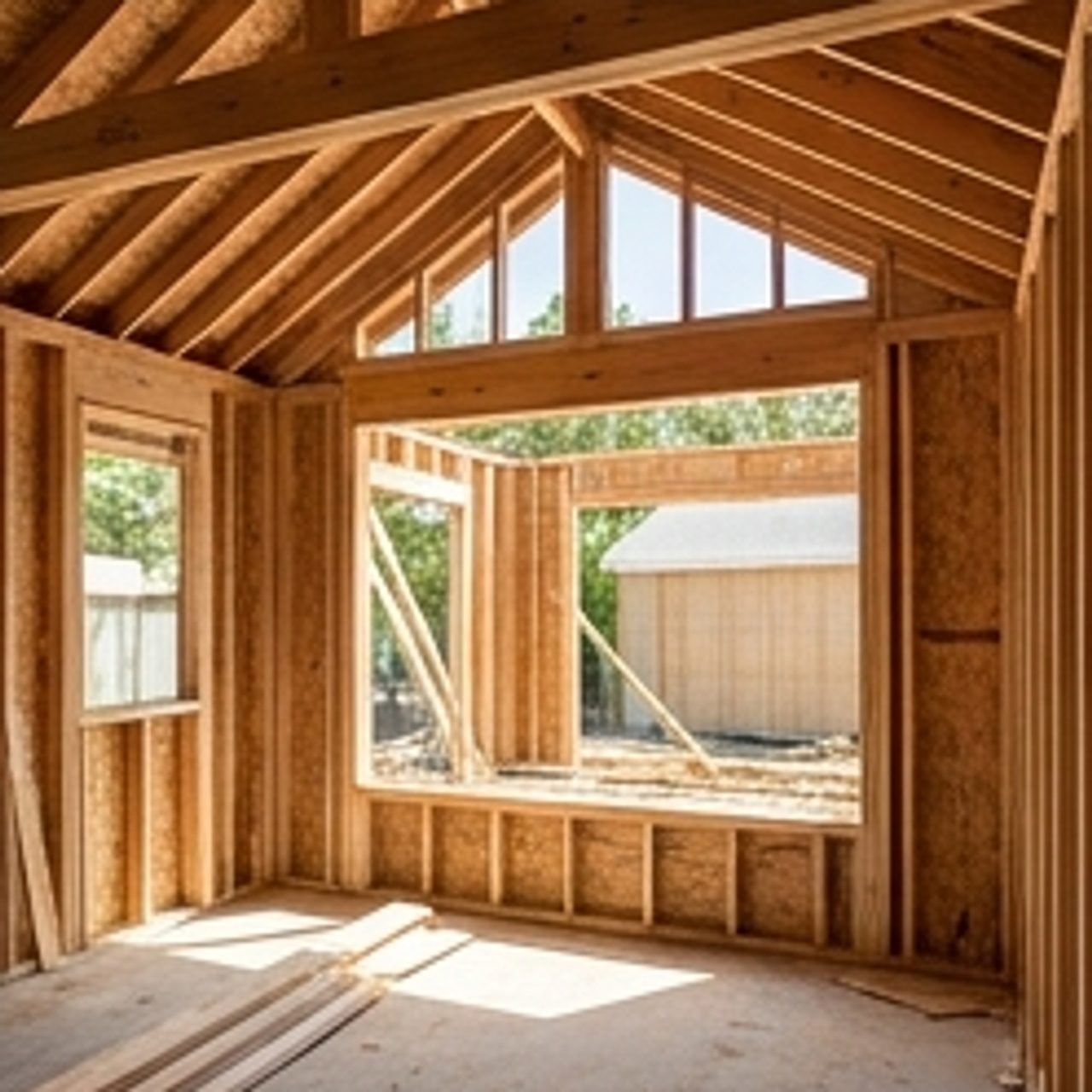
A precise scope is the foundation of a reliable budget. Start with a full assessment of the home to identify required rooms, structural changes, mechanical updates, and finishes. In Miami, climate considerations and permitting timelines can affect scope decisions. Create a master list of must-haves vs. nice-to-haves, and break the project into phases to manage risk. This clarity reduces budget creep and aligns expectations among homeowners, investors, and our team.
- Must-have scope items vs. nice-to-haves
- phased renovation plan to manage cash flow
- integrated design and construction approach
Define rooms and systems
Outline each space to renovate, including kitchens, baths, living areas, and exterior additions. Document electrical, plumbing, HVAC, waterproofing, and insulation needs. For Miami, consider moisture resistance and energy efficiency in your scope to avoid costly rework later.
Permitting and codes
Identify permits needed for structural work, electrical, and plumbing changes. Miami-Dade County and city jurisdictions can impact timelines. Build a permit buffer into your schedule and budget to absorb delays without derailing the project.
Building a reliable budget with unit costs
A unit-cost approach converts design choices into measurable numbers. List line items for demolition, framing, finishes, fixtures, and labor by trade. Use current market rates in Florida and adjust for Miami-specific costs like climate-resistant materials and permit fees. A detailed cost grid helps you compare bids and spot outliers before work begins.
- Demolition, framing, and drywall costs by area
- Material costs per room with detailed specs
- Labor rates by trade and region
Baselines to anchor bids
Create baseline unit costs for common items (kitchen cabinets, tile, plumbing fixtures) based on recent local projects. Update these figures periodically to reflect market changes in Florida. Having baselines makes contractor quotations more apples-to-apples.
Contingency planning for cost certainty

Contingencies protect the budget against unknowns. For Miami remodels, plan a 10-15% contingency on hard costs and a separate 5-10% for soft costs such as design changes and permit delays. Document how contingency funds are released and when decisions trigger reallocations.
- 10-15% hard-cost contingency as a baseline
- 5-10% soft-cost contingency for design and permits
- formal change-order process
Trigger-based contingency releases
Set explicit thresholds for when to use contingency funds, such as discovering hidden structural issues or supply shortages. Require written change orders to access contingency, preventing scope creep from eroding the budget.
Timeline planning and sequencing
A realistic timeline reduces cost overruns and keeps the project on track. Map a critical path that sequences demolition, rough-ins, inspections, finishes, and punch lists. In Miami, factor in potential weather-related delays, permit review times, and supply chain lags. Build buffers between phases to absorb delays without multiplying costs.
- Critical path with phase-by-phase milestones
- Buffer time for inspections and permits
- Cash-flow aligned with progress
Milestones and debt service
Align budget milestones with payment milestones to maintain cash flow. Avoid front-loading payments for long-lead items. Use staged draws tied to completed milestones to reduce financial risk.
Managing changes and risk
Change is inevitable in full-home renovations. Establish a formal change-control process with quick decision-making paths. Regular status reviews help catch scope drift early. In Miami, be mindful of weather windows and contractor availability that can affect risk profiles.
- Written change orders
- Regular progress reviews
- Risk register and mitigations
Change control
Require written approvals for any scope changes. Recalculate impact on budget and timeline before approval. Maintain a living document of approved changes to keep everyone aligned.
Putting it all together: control mechanisms
Control mechanisms turn planning into action. Use a centralized budgeting tool, weekly cost reviews, and dashboards that compare actuals to forecast. Establish a dedicated project manager or liaison who monitors scope, schedule, and spending. In Miami, ensure all stakeholders have visibility and a clear path to decisions.
- Centralized budget and change log
- Weekly variance reports
- Clear decision-making protocol
Weekly cost reviews
Track labor hours, material usage, and subcontractor invoices. Reconcile variances and adjust forecasts promptly. Weekly reviews prevent small variances from becoming large overruns.
Frequently asked questions
What is the typical Miami whole-home remodel cost range for budgeting?
Costs vary by scope and finishes, but a well-planned Miami full-home remodel can range from mid six figures to over a million dollars for luxury upgrades. Start with a detailed scope, then build a unit-cost budget using current Florida market rates to anchor bids and avoid surprises.
How should I handle contingencies in a Miami remodeling project?
Set a 10-15% contingency for hard costs and 5-10% for soft costs. Use formal change orders to access contingency funds and require approval before reallocating any contingency. This keeps your core budget intact while accommodating unforeseen issues.
How long does a full home remodel typically take in Miami?
Timeline depends on scope, permits, and weather. A comprehensive project from design through finish can span 6-12 months. Build in phase buffers for permits and inspections common in Miami-Dade County to maintain a realistic timeline.
What should be included in a Miami remodeling cost checklist?
Include scope definitions, permits and codes, unit-cost estimates, contingency plans, timeline with milestones, change-order processes, and a risk register. A Miami-specific checklist also accounts for climate-related materials and local supplier lead times.
How can I control costs during a full-home renovation in Miami?
Define a precise scope, benchmark unit costs to local prices, secure contingencies, and monitor progress weekly. Use a phased approach and a centralized budget with clear change-control procedures to prevent overruns.
Managing a Miami whole-home remodel cost requires precise scope, disciplined budgeting, and active timeline control. If you’re planning a full home renovation in Miami-Dade County, contact us to review your project and receive a customized budgeting plan that aligns with your goals and timeline.